Hydrangeas (Hydrangea) are among the most beloved ornamental shrubs in gardens around the world. Known for their generous blooms, soft color palettes, and ability to transform a landscape, hydrangeas combine elegance with surprising resilience. Whether in a cottage garden, a formal border, or a woodland edge, they bring structure, romance, and a sense of abundance that few plants can match.
- What Is a Hydrangea?
- Hydrangeas are deciduous (and occasionally evergreen) shrubs, vines, or small trees native primarily to East Asia and the Americas. Their signature feature is the large, showy flower heads—ranging from rounded “mopheads” to airy lacecaps and elongated cones.
- One of the most fascinating traits of certain hydrangeas is their ability to change flower color depending on soil chemistry. In acidic soil, blooms tend to be blue; in alkaline soil, they shift toward pink. This natural responsiveness has made hydrangeas not just decorative plants, but interactive ones—plants that respond visibly to the gardener’s hand.
- History and Origin
- Hydrangeas have a long and rich history, particularly in Japan and China, where they were cultivated for centuries before being introduced to Europe.
- In Japan, hydrangeas were grown in temple gardens and associated with the rainy season. Their blooming coincides with early summer rains, giving them a poetic identity tied to reflection, renewal, and fleeting beauty.
- Hydrangeas arrived in Europe in the 18th century, brought back by plant collectors and botanists exploring Asia and the Americas. They quickly became fashionable in aristocratic gardens, admired for their exotic appearance and lush flowering.
- The name “hydrangea” comes from Greek: hydor — water, angos — vessel. This likely refers to the plant’s seed capsule shape or its strong need for moisture.
- Legends and Symbolism
- Hydrangeas carry rich symbolic meanings across cultures.
- In Japanese tradition, they are connected to gratitude and apology. A well-known Japanese legend tells of a stern emperor who neglected his beloved for many years, consumed entirely by affairs of state. Realizing at last how cold and distant he had been, he offered her a bouquet of delicate hydrangeas—flowers that embody the shifting nature of emotion and the tenderness of the heart—as a gesture of apology and renewed devotion. Their petals, forever changing in hue, became a symbol of his sincere remorse and enduring loyalty.
- In Victorian Europe, however, hydrangeas took on a more complicated meaning. Because of their abundant blooms but low seed production, they were sometimes associated with vanity or boastfulness—a reflection of beauty without substance.
- Today, hydrangeas are more often seen as symbols of heartfelt emotion, abundance, grace and renewal.
- The Six Main Types of Hydrangeas
- Understanding hydrangeas begins with knowing their main types. Each has distinct growth habits, bloom forms, and pruning needs.
-
Bigleaf Hydrangea
(Hydrangea macrophylla)
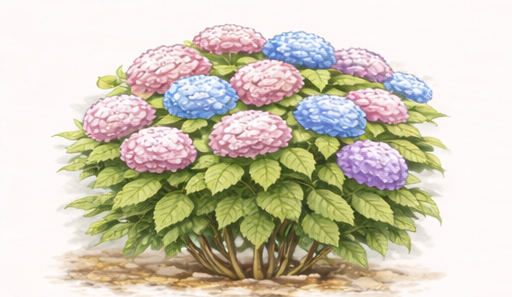 The most iconic and widely recognized type, bigleaf hydrangeas are known for their large, rounded flower heads in shades of blue, pink, and purple.
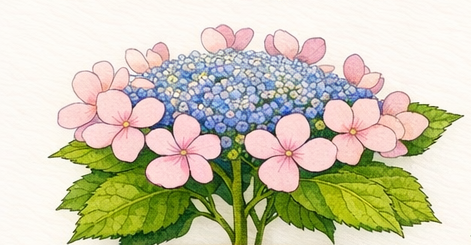 They include mophead varieties (full, globe-shaped blooms) and lacecap varieties (flat blooms with delicate centers).
Bigleaf hydrangeas often bloom on old wood, which makes pruning timing critical. They are ideal for romantic garden designs and thrive in partial shade with consistent moisture
-
Smooth Hydrangea
(Hydrangea arborescens)
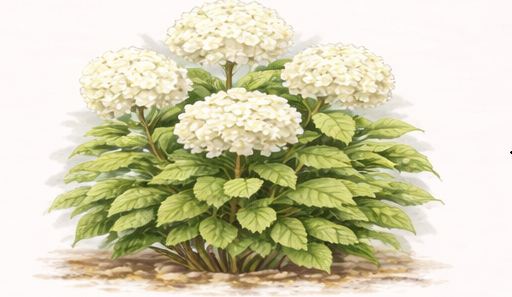 Native to North America, smooth hydrangeas are valued for their reliability and cold hardiness.
Their blooms are typically white or soft green and appear on new wood, meaning they can be pruned more freely. One of the most famous varieties, ‘Annabelle,’ produces large, cloud-like flower heads that brighten shaded gardens.
-
Panicle Hydrangea
(Hydrangea paniculata)
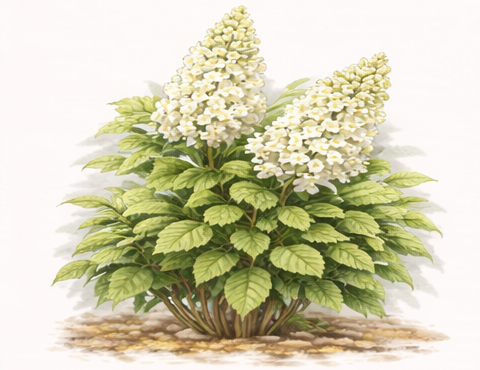 Panicle hydrangeas are among the most versatile and sun-tolerant types. Their flowers form cone-shaped clusters, often starting white and gradually turning pink or even reddish tones as the season progresses.
They bloom on new wood, making them easy to prune and highly dependable. These hydrangeas can be grown as shrubs or trained into small trees, adding architectural interest to the garden.
-
Oakleaf Hydrangea
(Hydrangea quercifolia)
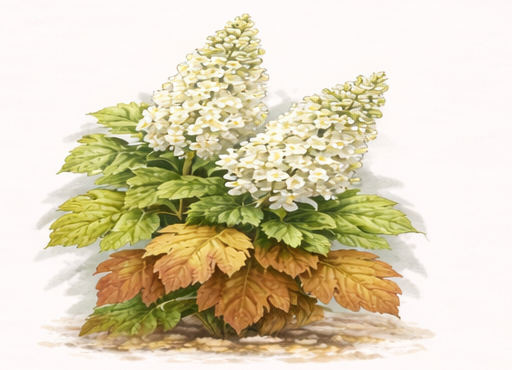 Named for their distinctive oak-shaped leaves, oakleaf hydrangeas offer multi-season interest such as elegant white flower spikes, rich green summer foliage and dramatic red and burgundy fall color.
They are native to the southeastern United States and prefer woodland conditions. Their blooms form on old wood, and they require minimal pruning.
-
Climbing Hydrangea
(Hydrangea anomala petiolaris)
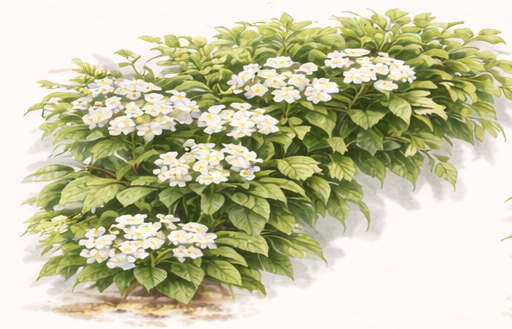 Unlike most hydrangeas, this is a woody vine capable of climbing walls, fences, and trees.
It produces delicate, lacecap-style white flowers and develops beautiful peeling bark over time. Though slow to establish, it becomes a stunning vertical element in mature gardens.
Climbing hydrangeas tolerate shade well and are ideal for covering structures with a natural, elegant look.
-
Mountain Hydrangea
(Hydrangea serrata)
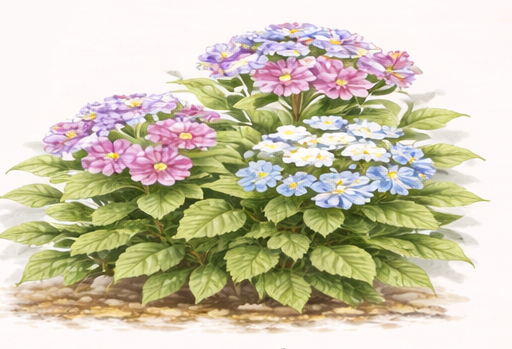 Often considered a more delicate relative of bigleaf hydrangeas, mountain hydrangeas have smaller leaves and finer textures.
They are generally more cold-hardy and better suited to challenging climates. Their lacecap blooms and subtle color variations make them especially appealing in naturalistic or woodland gardens.
- Today, hydrangeas are more often seen as symbols of heartfelt emotion, abundance, grace and renewal.
-
Why Hydrangeas Remain a Garden Favorite
- Few plants offer the same combination of long-lasting blooms, adaptability to different garden styles and seasonal transformation.
- Hydrangeas reward careful placement and thoughtful care with years—often decades—of beauty. Whether used as a focal point, a hedge, or part of a layered border, they bring a sense of fullness and calm to any landscape.
- Hydrangeas are more than just flowering shrubs—they are plants with history, personality, and presence. From ancient temple gardens in Asia to modern backyard landscapes, they continue to captivate gardeners with their evolving colors, graceful forms, and timeless charm.